
Managing Upper Respiratory Infections in Babies, Toddlers, and Teens
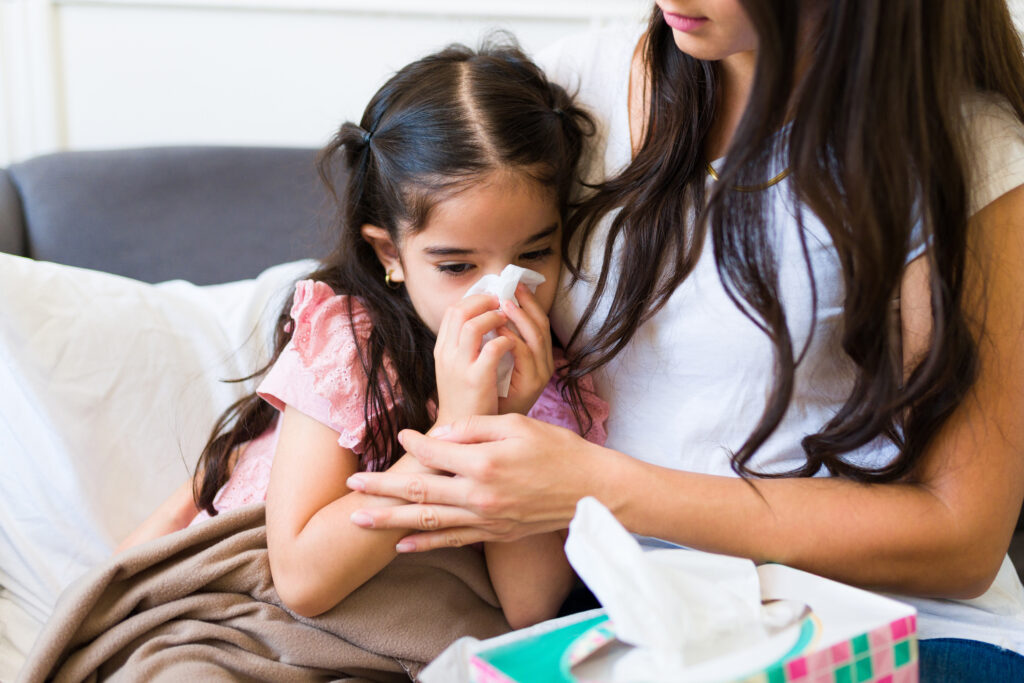
As parents, few things are more worrying than hearing your child cough, sniffle, or struggle to breathe easily. Upper respiratory infections (URIs) – including the common cold, sinus infections, and some types of sore throats – are among the most frequent reasons families visit their pediatrician. While most URIs are mild and resolve on their own, CPCMG wants to help you understand what to watch for, how to keep your child comfortable, and when to seek medical care.
What Is an Upper Respiratory Infection?
An upper respiratory infection affects the nose, throat, and sinuses. These infections are usually caused by viruses such as rhinovirus, RSV, or influenza. Typical symptoms include:
• Runny or stuffy nose
• Cough
• Sore throat
• Sneezing
• Mild fever
• Decreased appetite or irritability
Most URIs last seven to ten days. While antibiotics do not help viral infections, supportive care can make a big difference.
Babies (0–12 Months)
Why extra caution is needed: Infants have smaller airways and limited ability to clear mucus, making them more vulnerable to breathing difficulties and dehydration.
Home care tips:
• Use saline drops and suction: A few drops of saline followed by gentle suction with a bulb syringe or nasal aspirator can clear congestion.
• Humidify the air: A cool-mist humidifier adds moisture and helps relieve nasal stuffiness.
• Encourage feeding: Offer breast milk or formula frequently; hydration is essential.
• Monitor breathing: Watch for fast breathing, grunting, flaring nostrils, or pauses in breathing.
Call your CPCMG pediatrician right away if your baby:
• Has a fever of 100.4°F (38°C) or higher (in infants under 2 months)
• Shows signs of labored breathing or wheezing
• Is feeding poorly or has fewer wet diapers
• Appears unusually sleepy or irritable
Toddlers (1–3 Years)
Their immune systems are still developing, so multiple colds each year are normal.
Home care tips:
• Fluids and rest: Offer water, diluted juice, or warm broth to stay hydrated.
• Honey for cough (if over 1 year): A teaspoon of honey can soothe cough and throat irritation.
• Gentle relief: Saline sprays and cool-mist humidifiers can make breathing easier.
• Avoid over-the-counter cold medicines: They are not recommended for young children and can have side effects.
• Consider bringing them into a steamy bathroom or shower twice daily and encourage gentle coughing and nose blowing during the shower to help loosen stubborn mucus.
When to call your CPCMG pediatrician:
• Fever lasting more than 3 days
• Persistent ear pulling, irritability, or ear drainage
• Difficulty breathing or bluish lips
• Signs of dehydration (dry lips, few tears, reduced urine output)
School-Age Children and Teens
As kids grow, their immune systems become stronger, but viruses still make the rounds at school, sports, and social events.
Home care tips:
• Rest and fluids: Encourage plenty of sleep and hydration.
• Over-the-counter medications: Acetaminophen or ibuprofen can help with fever or sore throat (use age-appropriate dosing).
• Good hygiene habits: Teach kids to wash hands often, cover coughs, and avoid sharing drinks.
• Symptom management: Saltwater gargles, warm tea with honey (for teens), and nasal saline rinses can bring comfort.
• Consider taking them into a steamy bathroom or shower twice a day and encourage gentle coughing and nose blowing in the shower to mobilize stubborn mucus.
Call CPCMG your pediatrician if:
• Symptoms last longer than 10 days or worsen after initial improvement
• There’s high fever, chest pain, or shortness of breath
• You suspect strep throat or a sinus infection
