
Iron-Deficiency Anemia: What Parents Should Know
Iron-deficiency anemia is a common condition in children that occurs when the body does not have enough iron. Iron is needed to make hemoglobin, a protein in red blood cells that carries oxygen throughout the body.
When children do not have enough iron, their bodies cannot produce enough healthy red blood cells. As a result, less oxygen reaches tissues and organs, which can make children feel tired or weak.
If untreated, iron-deficiency anemia can affect a child’s growth, brain development, learning, and behavior. Early diagnosis and treatment help prevent these problems.
What causes iron-deficiency anemia in children?
Low iron at birth
Babies usually store iron during the last three months of pregnancy. Some may start life with lower levels, including:
• Babies born prematurely
• Babies whose birth parent had anemia
• Babies whose birth parent had certain health conditions
Low iron in the diet
Children get iron from the foods they eat, but the body absorbs only a small amount. If a child’s diet does not include enough iron-rich foods, anemia may develop.
Rapid growth
Infants and children grow quickly, especially during infancy and growth spurts. This in-creases the body’s need for iron to produce more red blood cells.
Breastfeeding without added iron
Breastmilk is the best nutrition for babies but contains limited iron. The American Academy of Pediatrics recommends iron supplements for breastfed babies starting at 4 months until iron-rich foods are introduced.
Digestive problems
Iron is absorbed in the upper small intestine. Some digestive conditions or surgeries can make absorption harder.
Blood loss
Losing blood can reduce iron levels. Causes may include bleeding in the digestive tract, menstrual periods in teens, or injuries.
What are the symptoms?
Some children with anemia have no symptoms. When symptoms occur, they may include:
• Pale skin
• Fatigue or weakness
• Getting tired easily during play
• Irritability or fussiness
• Fast heartbeat
• Sore or swollen tongue
• Enlarged spleen
• Craving non-food items such as dirt or ice (pica)
How is iron-deficiency anemia diagnosed?
Doctors diagnose anemia with blood tests. Because it is common in young children, routine screening is recommended. The American Academy of Pediatrics advises a hemoglobin test for all babies at 12 months and will ask parents questions to determine risk fac-tors. If hemoglobin is low, additional tests may be done, including a complete blood count (CBC).
How is iron-deficiency anemia treated?
Treatment depends on the child’s age, symptoms, and severity.
Iron supplements: Many children need iron drops or pills for several months to restore iron levels. They work best on an empty stomach and taking them with orange juice may im-prove absorption. Mild stomach upset or darker stools can occur. In some cases, iron may be given through an IV.
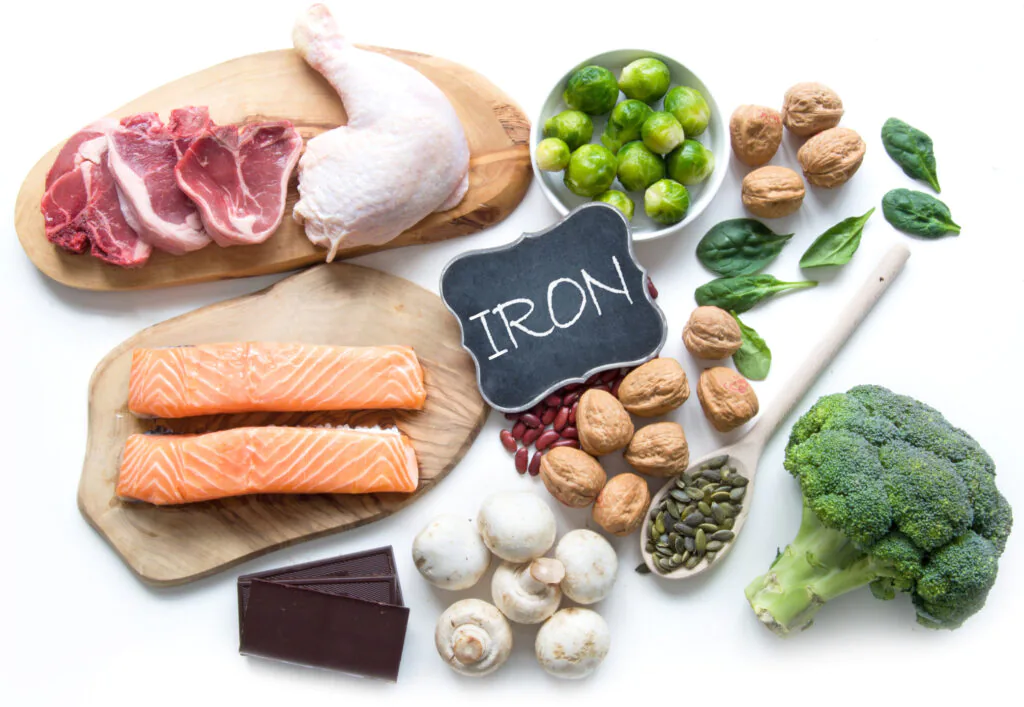
Iron-rich foods: Diet also plays an important role. Good sources include:
• Iron-fortified cereals, breads, pasta, and rice
• Red meat, poultry, fish, and shellfish
• Beans and peas
• Leafy green vegetables such as broccoli and kale
• Whole-wheat breads and rolls
Foods high in vitamin C, like oranges, strawberries, and tomatoes, help the body absorb iron.
How can iron-deficiency anemia be prevented?
Parents can help prevent iron deficiency by:
• Giving iron supplements to breastfed babies starting at 4 months if recommended
• Offering iron-rich foods when solids begin
• Providing a balanced diet with vitamin C foods
• Limiting cow’s milk to 16-24 oz a day (unless your pediatrician tells you differently)