
Keeping Your Home Safe: Essential Fire Prevention Tips for Families
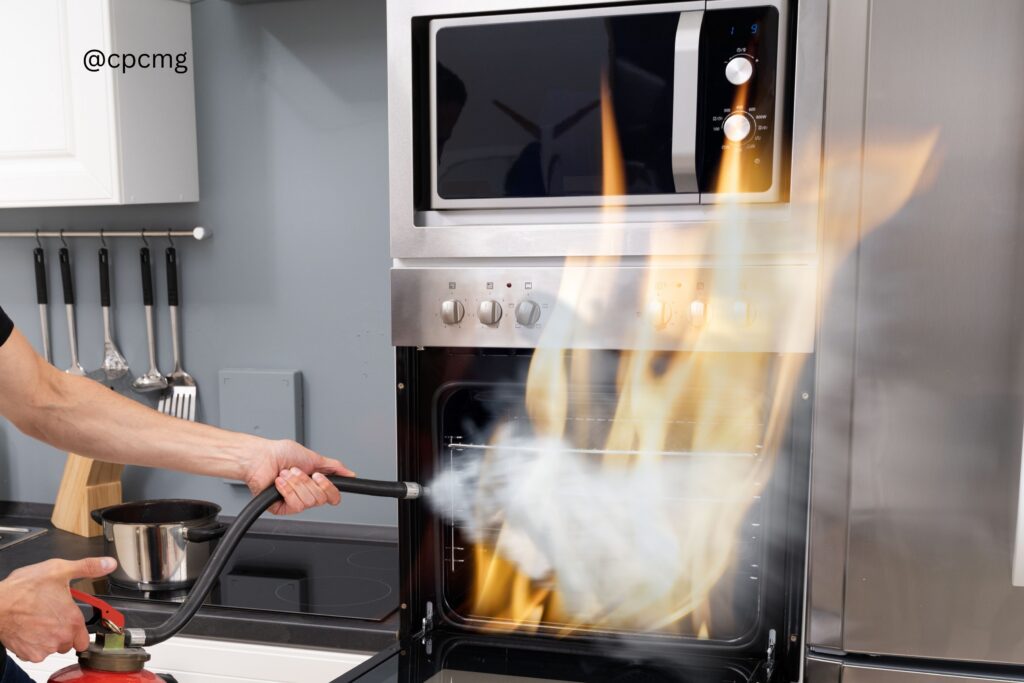
Did you know that a house fire can spread in under two minutes? Preparation is your best defense – safeguard your family with this quick checklist.
1. Secure the Kitchen: it’s the #1 source of home fires
The kitchen is the heart of the home, but it is also where most household fires start.
• Establish a “Kid-Free Zone”: Keep children at least three feet away from hot stoves, ovens, and microwave doors while cooking.
• Never Leave Cooking Unattended: If you need to step away from the kitchen even for a moment, turn off the burners.
• Turn Pot Handles Inward: Prevent toddlers from reaching up and pulling hot pots or liquids down onto themselves.
2. Maintain Working Smoke Alarms
Working smoke alarms cut the risk of dying in a home fire in half.
• Location Matters: Install smoke alarms on every level of your home, inside every bedroom, and outside sleeping areas.
• Test Monthly: Make it a habit to press the test button once a month. Involve your kids so they recognize the alarm’s sound and know it means it is time to act – not hide.
• Replace Regularly: Replace alarm batteries at least once a year and replace the entire smoke detector unit every 10 years.
3. Practice Smart Electrical & Heating Habits
Space heaters, overloaded outlets, and charging cords present common fire hazards in family homes.
• Give Heaters Space: Keep space heaters, radiators, and fireplaces at least three feet away from bedding, curtains, and toys. Always turn off space heaters when leaving the room or going to sleep.
• Don’t Overload Outlets: Avoid plugging multiple high-power devices into single extension cords.
• Inspect Cords: Discard electrical cords that are frayed or cracked and keep charging cables away from beds or soft furniture where heat can get trapped.
4. Create and Practice a Family Escape Plan
When a fire alarm sounds, every second counts. Kids often hide under beds or in closets when frightened, so practicing an escape route is critical.
• Identify Two Ways Out: Map out every room and locate two clear exit paths (doors or windows). Ensure windows are easy to open. If you have second-floor bedrooms, ensure you have ladders at each bedroom window.
• Pick a Family Meeting Spot: Choose a safe, fixed location outside at a safe distance from the house, such as a neighbor’s tree, mailbox, or flagpole.
• Practice “Get Low and Go”: Teach children to crawl low under smoke where the air is cleaner and cooler.
• Run Night Drills: Practice your escape plan twice a year – once during the day and once at night – so your child feels confident rather than panicked in a real emergency.
Fire safety isn’t about scaring our children; it’s about empowering them with the right knowledge and habits. Take 15 minutes this weekend to check your smoke alarms and review your exit strategy together.