
Quake-Ready Kids: Essential Earthquake Preparedness for Families
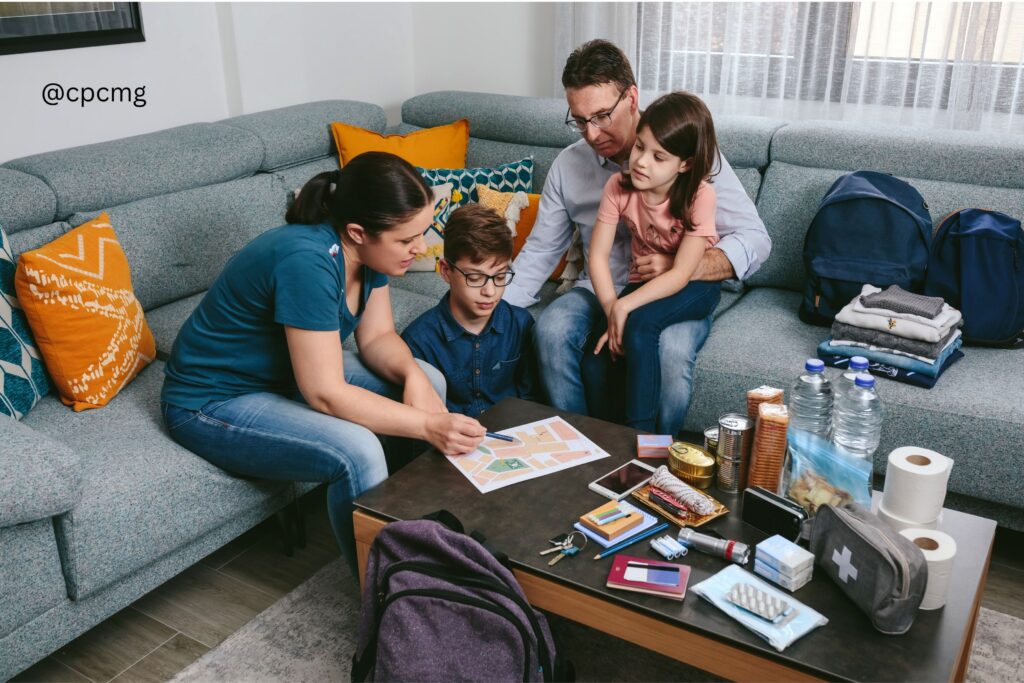
While earthquakes can happen suddenly and without warning, we can take proactive steps to make sure our children feel prepared rather than frightened.
Here is a quick family guide to maintaining an earthquake-ready home and a kid-friendly emergency plan.
1. Earthquake-proof Your Home
During a quake, most injuries are caused by falling objects rather than structural failure. Take time to perform a safety walkthrough in your home:
• Anchor Heavy Furniture: Secure tall bookcases, dressers, televisions, and heavy wall art to wall studs using brackets or safety straps.
• Clear the Sleep Zone: Make sure beds and cribs are positioned away from windows, heavy mirrors, hanging light fixtures, and unsecured bookshelves.
• Latch Cabinets: Install safety latches on kitchen and medicine cabinets to keep heavy glass, cans, and medications from falling out.
2. Build a Family Emergency Kit
Keep an accessible kit packed in a sturdy, easy-to-carry container or backpack. In addition to standard emergency supplies (water, non-perishable food, flashlights, first-aid kit, and extra batteries), be sure to pack pediatric essentials:
• Medical Supplies: A 7-day supply of essential medications, infant formula, diapers, wipes, and extra clothing.
• Child Comfort Items: Pack small games, coloring supplies, a favorite book, or a spare stuffed animal to help reduce stress and anxiety after an event.
• Identification & Emergency Contacts: Place physical copies of emergency contacts, health insurance cards, and pediatrician contact info inside the kit.
Reminder: Be sure to review the family emergency kit annually to ensure that perishable items have not expired.
3. Teach and Practice “Drop, Cover, and Hold On”
Kids learn best through practice. Walk your children through the correct response step-by-step:
• DROP: Drop down onto hands and knees. This position prevents falling and allows quick movement if needed.
• COVER: Cover the head and neck with one arm. Crawl under a sturdy table or desk for shelter. If no shelter is nearby, crawl next to an interior wall away from windows.
• HOLD ON: Hold on to the table or shelter with one hand until the shaking stops, moving with it if it shifts.
Reminder: Practice earthquake drills at home twice a year. Frame it as a routine safety game so kids feel empowered and confident rather than scared.
4. Create a Family Communication Plan
• Out-of-Area Contact: Designate an out-of-state relative or friend as your primary contact. Local phone lines can become jammed, but long-distance calls or text messages often go through more easily.
• Keep a Printed List of Contact Information: in case you cannot recharge your cell phone, have a printed list of names, phone numbers and emails for family, friends, your child’s school, doctor, etc.
• Reunion Spot: Establish an agreed-upon meeting place outside your home in case you are separated when shaking starts.
Preparation brings peace of mind. Taking simple steps today helps ensure your family stays calm, safe, and protected when the unexpected happens.
For more information about earthquake preparedness, please visit the following resources:
California Earthquake Authority