
ClickCease

FIND MEASLES INFORMATION HERE.

With rising temperatures and heat advisories, caring for a newborn will mean a little extra planning and specific steps to keep them comfortable. Follow these tips to make sure your baby stays hydrated and safe.

  1. No matter how hot it is, newborns do not need water. Breastmilk and formula will provide all the hydration your baby needs. Tempted to add water to formula? Don’t – thinning out the formula could reduce the amount of nutrition your baby receives.
    Note: it is recommended to wait until your baby is six months old before adding water to their diet.
  2. Babies cannot regulate their temperature, so they are at higher risk of overheating. Focus on sun protection and frequent breaks on days where the temperatures range from 75-80 degrees. When temps hit 90 degrees or more, limit your time spend outdoors and avoid the hottest parts of the day (10am to noon). Schedule activities in the early morning or evening.
  3. Protect your baby from the sun with shade by using an umbrella when outside, light cover over the stroller, wide brimmed hat, and sunglasses. Sun exposure is not a safe way for babies to obtain vitamin D which is why supplementation is recommended for newborns.
    Note: it is recommended to wait until your baby is six months old before using sunscreen.
  4. Choose baby clothes that are light colored and made of breathable fabric like cotton or linen (skip the synthetic materials like rayon or polyester). Focus on one layer of clothing, saving sweaters and other layers for cooler weather.
  5. While your baby should not start swimming lessons until they are one year old, babies can take a quick dip into the pool with an adult. It is best to wait until your baby is six months old to spend extended time playing in the water. Most pediatricians recommend waiting until 6 months due to pool water temperatures, potential harsh chemicals in the pool, and risk of infection from exposures to diarrheal illnesses.
    Note: remember that children should never play in or near a pool unattended.
  6. Never leave a baby or child in your car alone in hot weather. Temperatures inside the car can increase quickly, putting children at risk. For everyday errands and family trips, place a sunshade on the car window to protect your baby from direct sunlight and overheating.
    Note: Leave something important such as a purse or wallet in the backseat to prevent forgetting your baby in the car when running errands.

Even if you follow these tips, your baby may still overheat. Here’s what to look for:

  • Warm to the touch
  • Flushed skin
  • Fast breathing
  • Rapid heartbeat
  • Sweaty neck or damp hair
  • Vomiting
  • Lethargy

Here’s what to do:

  • Bring baby to an air-conditioned space.
  • If air conditioning is not available, a fan can be used to help circulate cool air (do not blow air directly at your baby)
  • Place a cool, damp washcloth on their skin or give a lukewarm (not cold) bath.

If you have any other concerns about your baby, please call your CPCMG office and listen to the options to reach our nurse triage line. Medical advice is available to you 24 hours a day, seven days a week.


Welcome To The CPCMG Blog

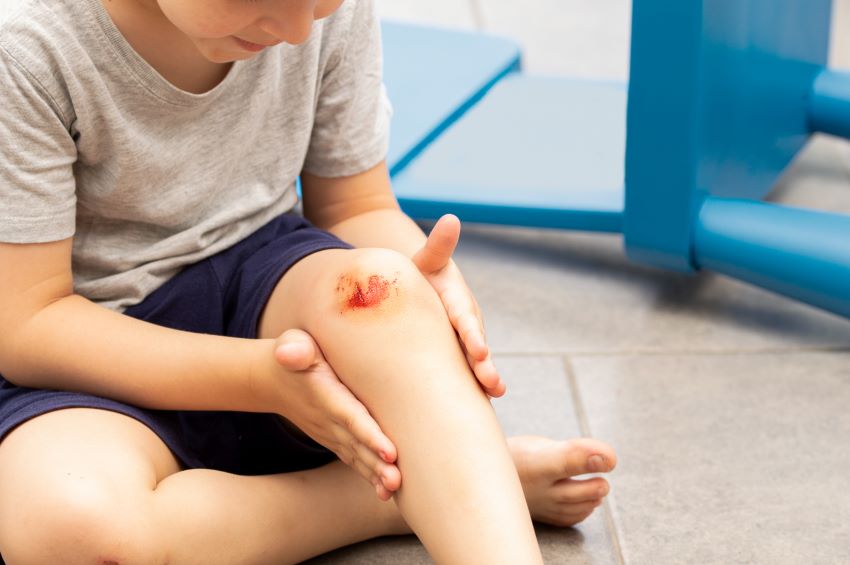
ASK THE CPCMG PEDIATRICIAN: How can I help my child avoid a scar from a cut or scrape?

ASK THE CPCMG PEDIATRICIAN: How can I help my child avoid a scar from a cut or scrape?

For active kids, cuts and scrapes are inevitable. Fortunately, these common childhood injuries can be treated at home. Here’s how to care for cuts and scrapes and help scars become

Continue Reading

WHY DOES YOUR FAMILY NEED A MEDIA PLAN?

WHY DOES YOUR FAMILY NEED A MEDIA PLAN?

For better or worse, digital media is a regular part of everyday life. Children have access to social media platforms, digital content and interactive games thanks to smartphones, tablets, laptops,

Continue Reading
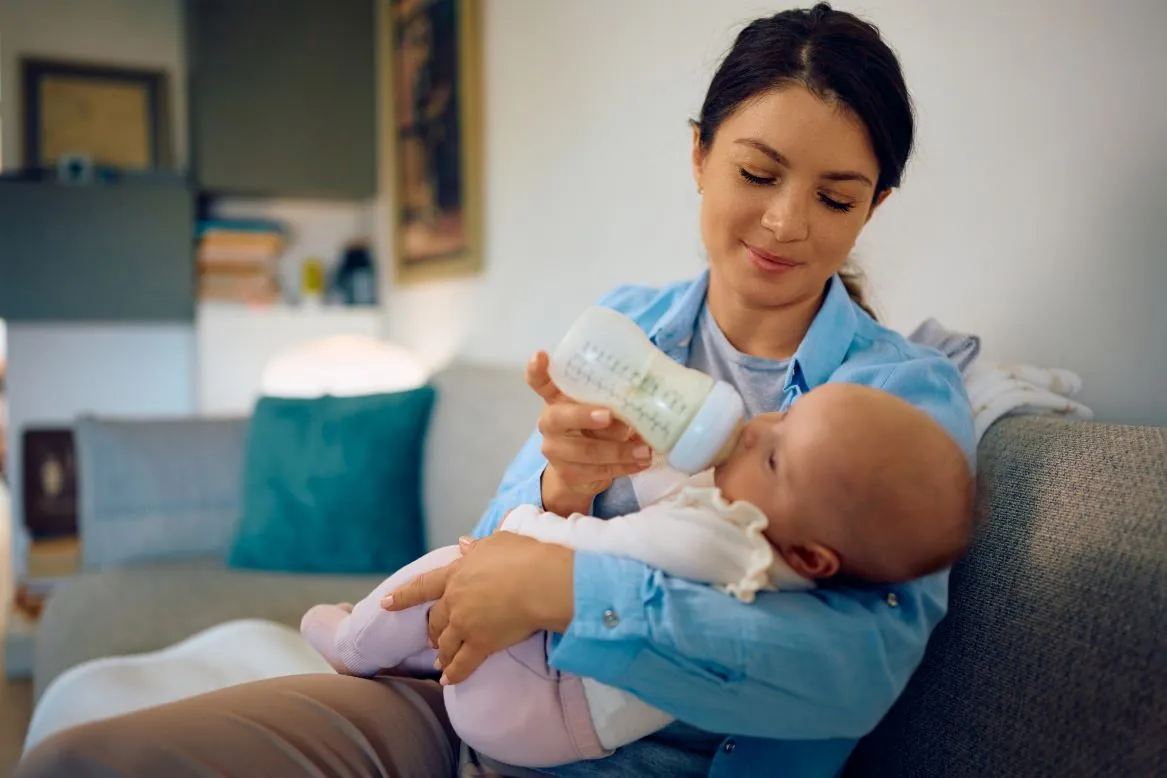
FIVE REASONS TO SKIP BOTTLE PROPPING

FIVE REASONS TO SKIP BOTTLE PROPPING

It might seem like a simple fix if you don’t have time to sit with your baby for a bottle feed – just prop their bottle up on a blanket

Continue Reading

HOW TO SURVIVE HOT WEATHER WITH A NEWBORN

HOW TO SURVIVE HOT WEATHER WITH A NEWBORN

With rising temperatures and heat advisories, caring for a newborn will mean a little extra planning and specific steps to keep them comfortable. Follow these tips to make sure your

Continue Reading

Measles & International Travel: What Parents Need to Know

Measles & International Travel: What Parents Need to Know

Measles is a highly contagious disease that can be dangerous, especially for babies and young children. Measles typically begins with a high fever (may spike to more than 104º), cough, runny

Continue Reading

SIX TIPS TO HELP KIDS DEAL WITH STRESS

SIX TIPS TO HELP KIDS DEAL WITH STRESS

In today’s busy world, it’s easy for anyone – even kids – to feel overwhelmed. For kids, maybe they are worried about homework and grades, or maybe they are being

Continue Reading
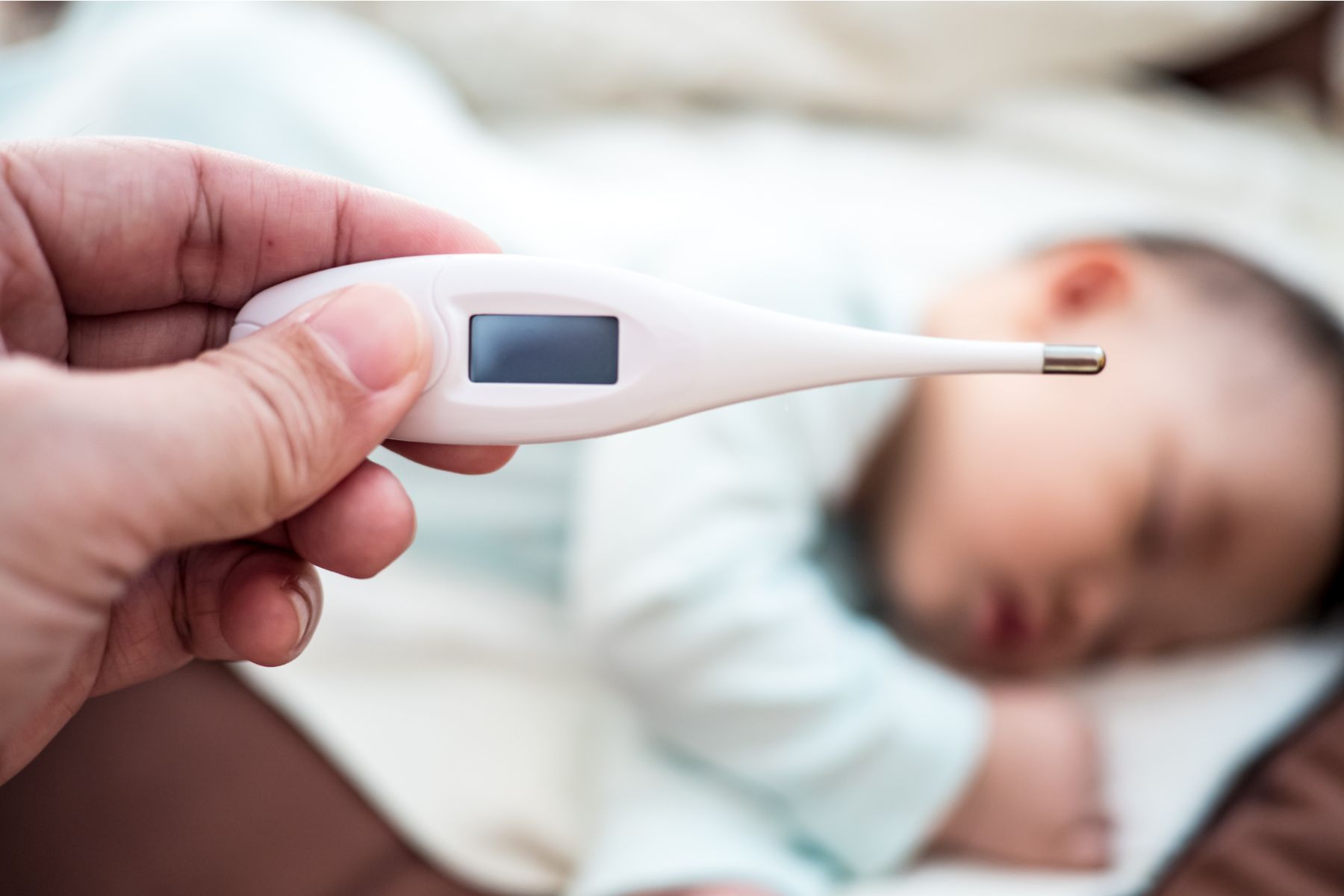
Identifying Your Child’s Illness

Identifying Your Child’s Illness

We are still in respiratory virus season, which can be stressful for parents of babies and young children. If you are worried about the respiratory syncytial virus (RSV), the first

Continue Reading

Food Allergies: What Parents Need to Know

Food Allergies: What Parents Need to Know

Food allergies are common complaints in CPCMG offices. Here is a recap of what you need to know about food allergies and food intolerance, who is likely to develop a

Continue Reading
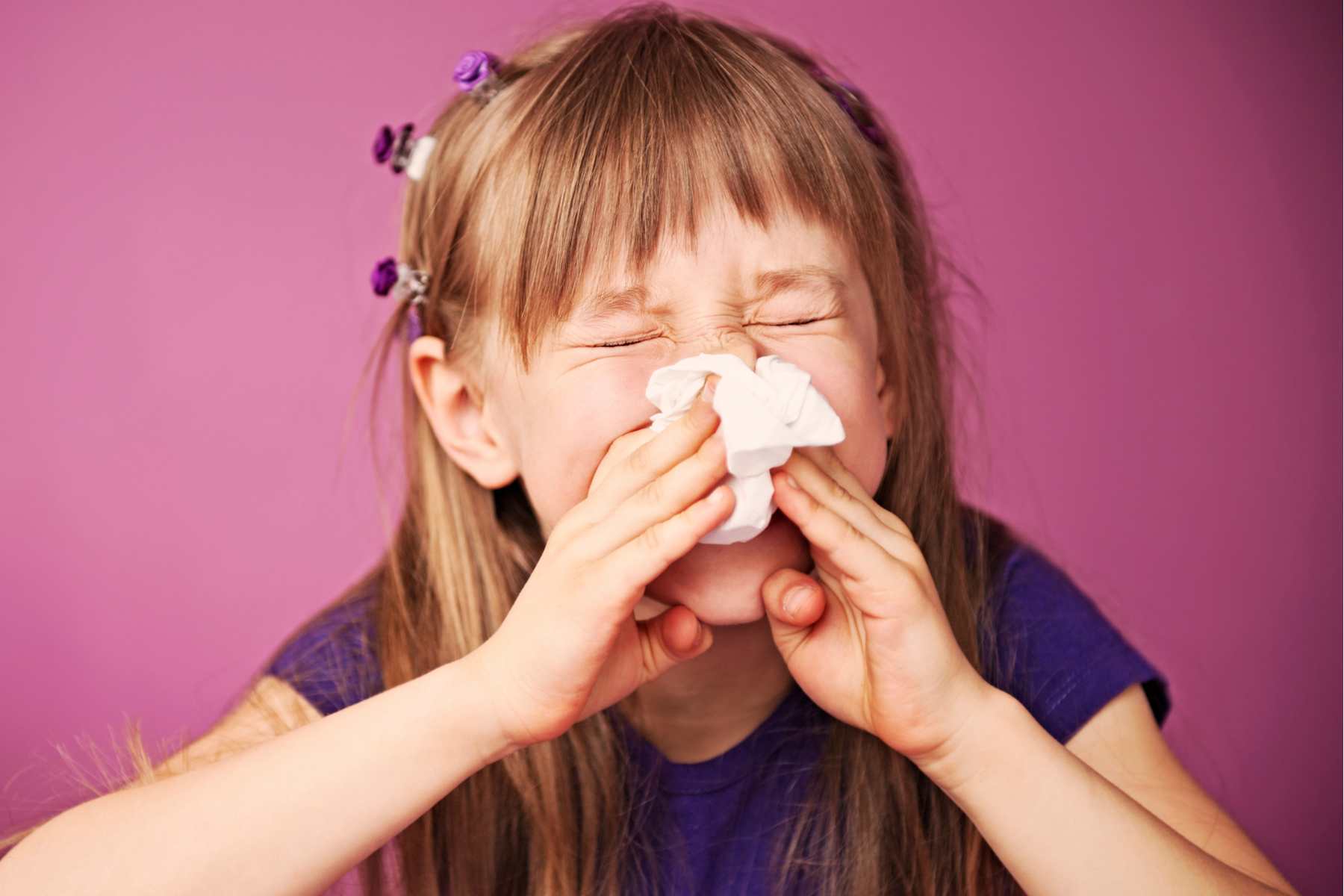
ASK THE CPCMG PEDIATRICIAN: Why is my child getting sick so often?

ASK THE CPCMG PEDIATRICIAN: Why is my child getting sick so often?

It seems like my child is always sick. They will feel better for about a week, then get sick again. Why is my child getting sick so often? If your

Continue Reading